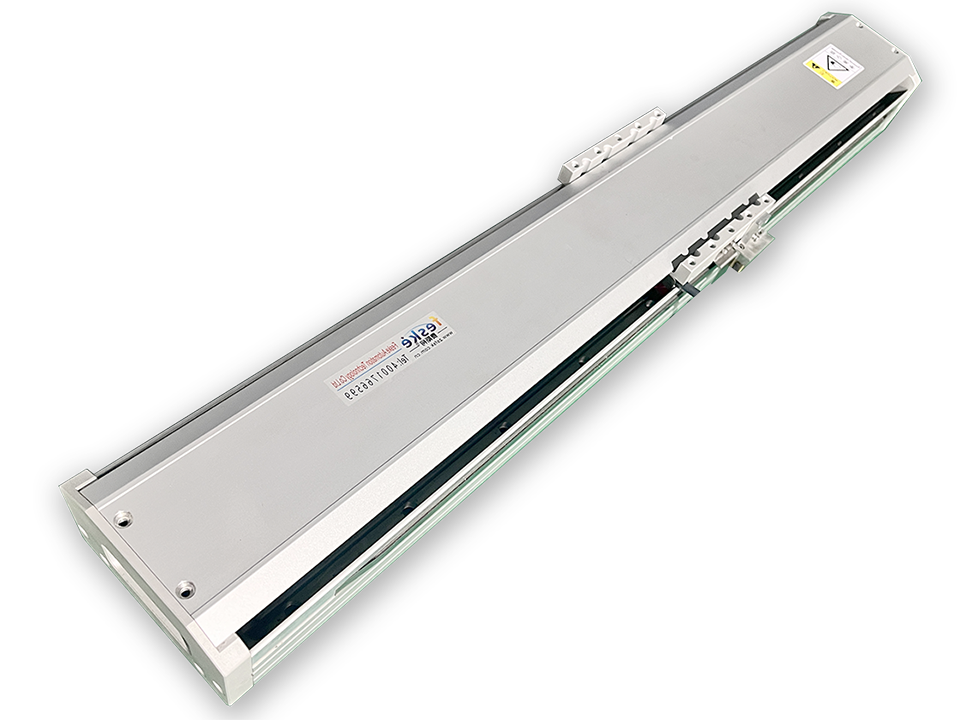
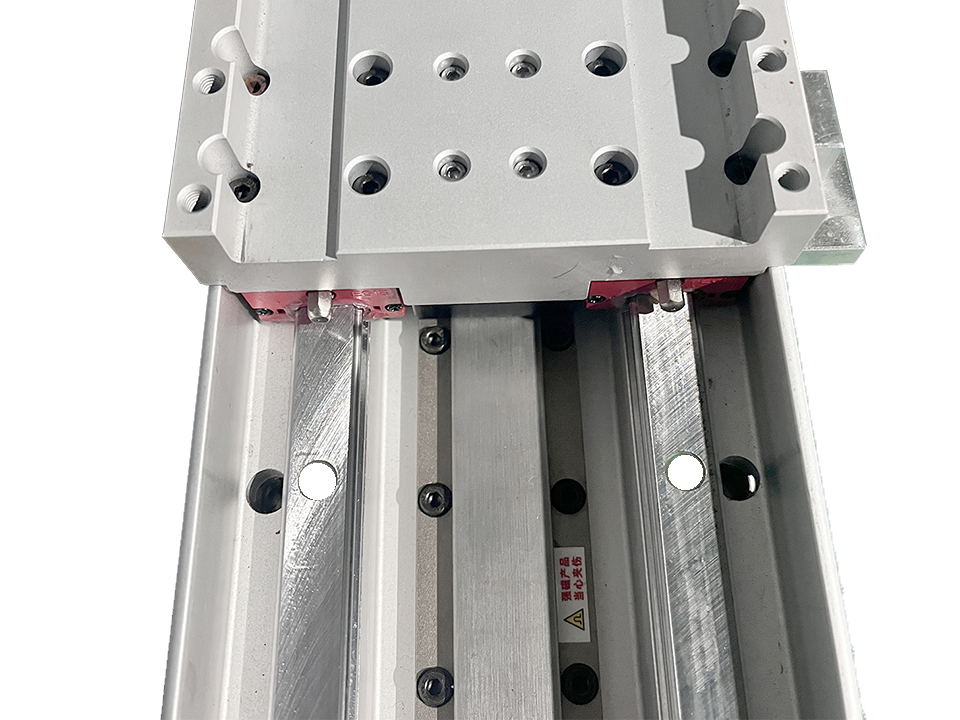
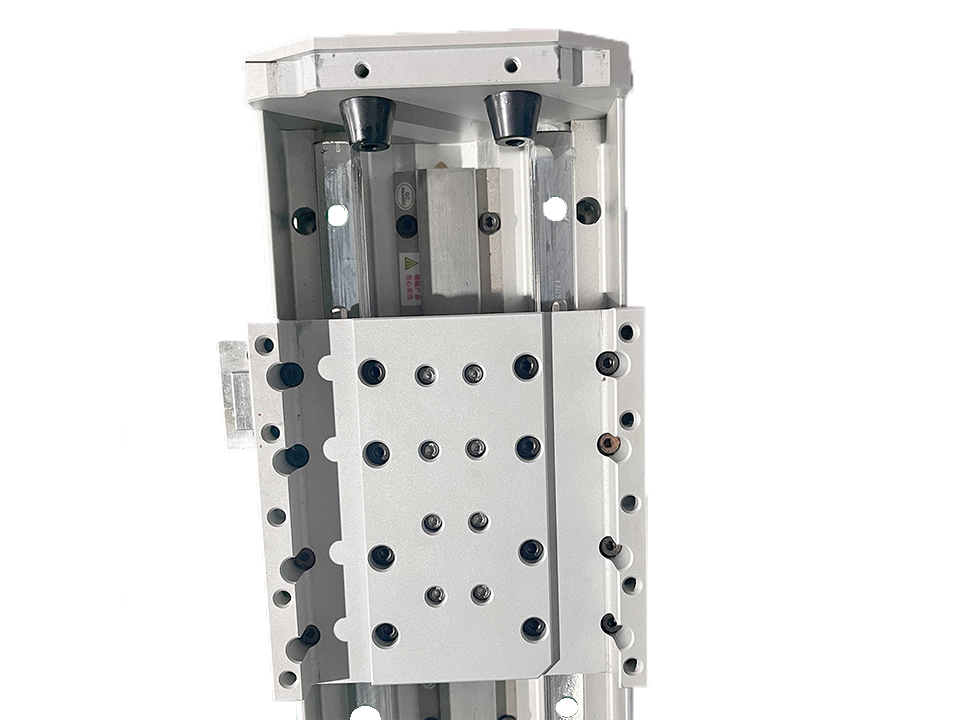
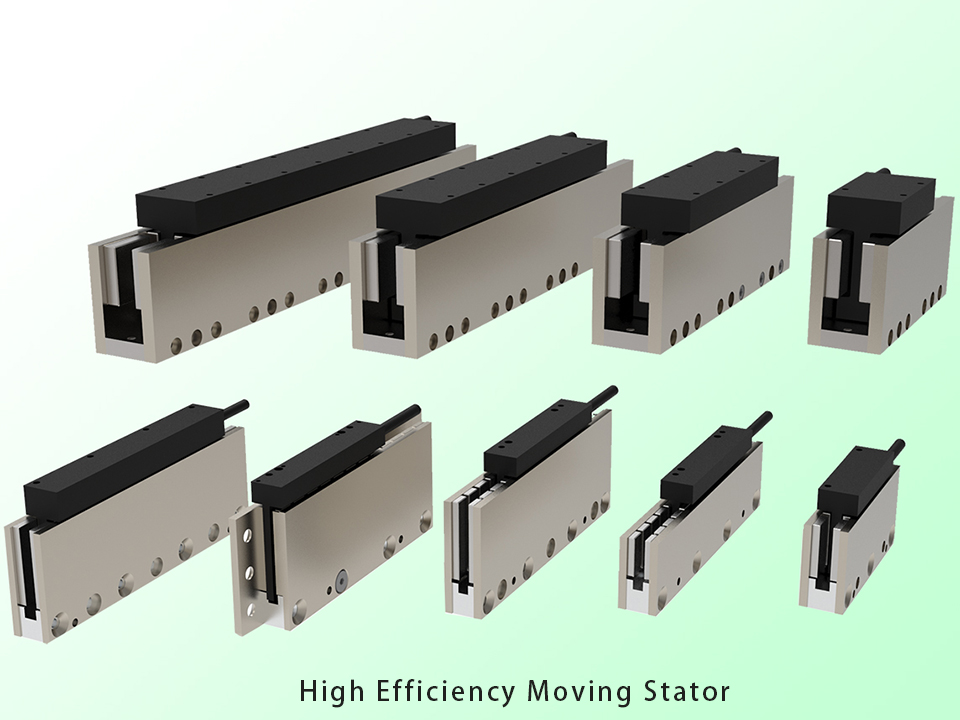
Linear motor module
Horizontal load ≤70KG
Standard stroke: <3.7 meters
Non-standard customized stroke: more than 10 meters
Excellent material, not easy to wear, steady and steady material, increase the service life of the product. Strong bearing capacity, quality, considerate service, rich industry experience, the company has a strong after-sales team to solve your problems.
01. Real materials, qualified inspection, exquisite materials, layer-by-layer screening
02. Careful production, excellent craftsmanship, excellent quality
03. Not easy to wear, vacuum quenching process to enhance toughness
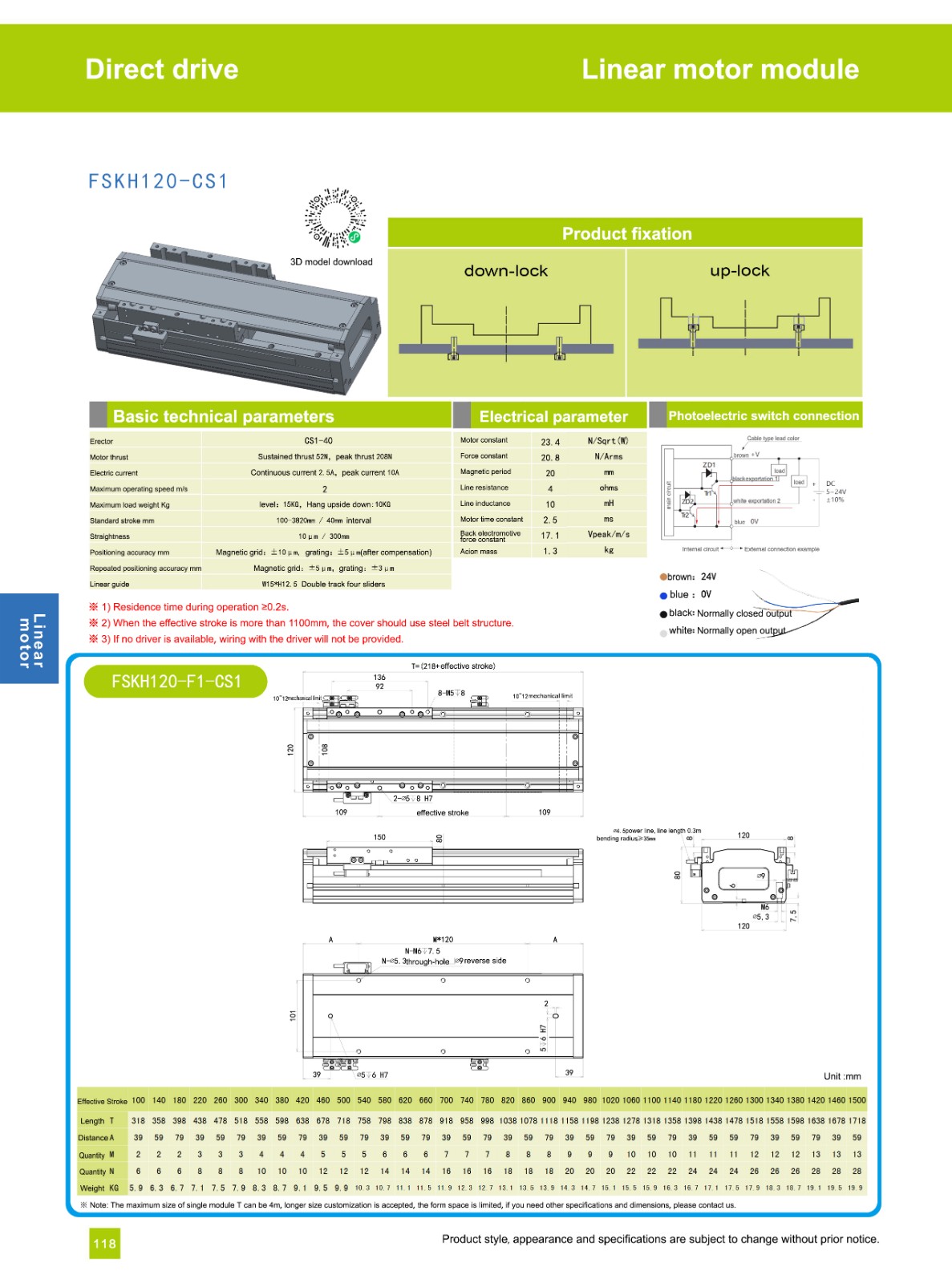
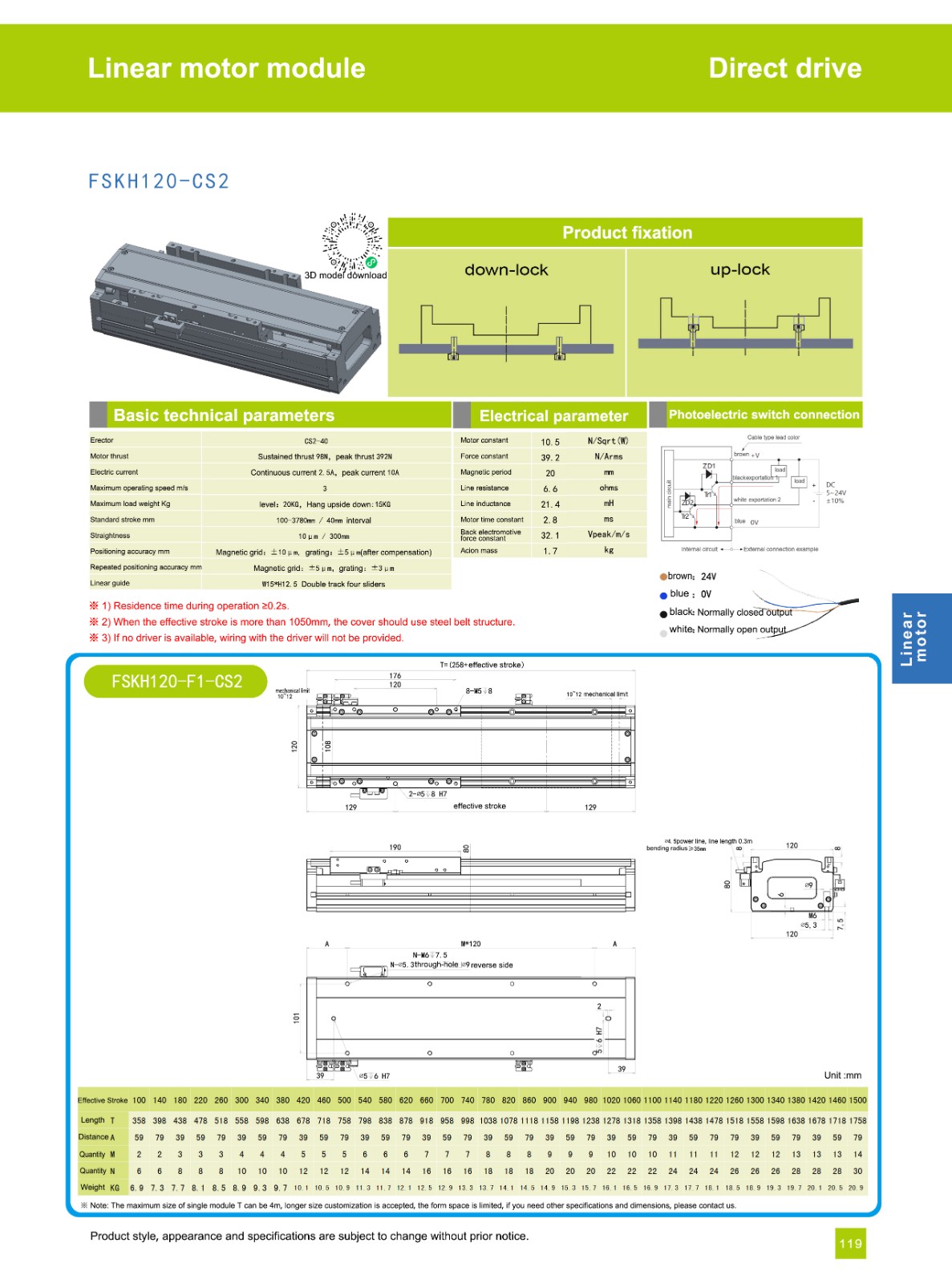
Linear actuator is a mechatronic device that converts rotary motion into linear reciprocating motion. Electric linear actuator realizes precise displacement control of load through the coordinated work of motor, transmission mechanism (such as screw, gear rack, synchronous belt) and control system. Electric linear actuator is widely used in industries, medical, home, agriculture and other fields that require linear drive. Electric linear actuator is one of the core components of automation system.
Features of electric linear actuator
High efficiency and energy saving: linear actuator manufacturer adopts permanent magnet synchronous motor, which improves energy efficiency by 40% compared with traditional stepper motor.
Quiet and low noise: linear actuator manufacturer optimizes transmission structure, operating noise ≤45dB (A), suitable for noise-sensitive environments (such as medical and laboratory).
Long life and maintenance-free: key components (such as ball screw and linear guide) are made of wear-resistant materials, with a life of ≥50,000 cycles, reducing downtime maintenance costs. Linear actuator manufacturer is intelligent and programmable; integrated PLC or single-chip microcomputer realizes complex control logic.
Flexible installation: linear actuator manufacturer provides multiple installation methods such as flange, tripod, side installation, etc., suitable for different equipment structures.
The FSKH 120 high-acceleration moving stator rail linear motor actuator offers the following core advan
tages:
Ultra-High Dynamic Performance
Utilizing direct drive technology, it achieves accelerations up to 10g and speeds exceeding 300m/min,
far exceeding traditional ball screws (1.5g/120m/min).
Precision Positioning
With no mechanical backlash, positioning accuracy reaches 0.1µm and high repeatability, making it suita
ble for high-precision applications such as semiconductor processing.
Simplified Structure and Long Life
The elimination of intermediate transmission components reduces maintenance requirements, minimiz
es mechanical wear, and significantly extends life.
Fast Response and Wide Speed Range
With a speed ratio of up to 1:10,000, it can reach maximum speed instantly and stop quickly even at
high speeds.
Modular Design
Supports multi-axis configurations, facilitating integration into automation equipment such as high-
speed conveyors and other industrial applications.
The core advantages of high-acceleration moving-stator linear motor actuators with guide rails lie in
the high dynamic response, high precision, and low maintenance offered by direct drive, making them
particularly suitable for applications requiring rapid start-stop and precise positioning.
I. High Dynamic Performance
High acceleration: The moving part has low mass, and the electromagnetic force acts directly, resulting
in acceleration reaching tens of times the acceleration due to gravity (g), far exceeding traditional rotary
motor + ball screw systems.
High speed: The maximum speed is limited only by the control system and bearings, reaching several
meters per second or even higher.
Fast response: With virtually zero transmission stiffness and zero backlash, it responds very quickly to
control signals, resulting in minimal tracking error.
II. High Precision and High Resolution
Direct drive: Without intermediate mechanical transmission links, it eliminates backlash, elastic deforma
tion, and friction, achieving positioning accuracy of micrometers or even nanometers.
High rigidity: There are no elastic elements between the drive unit and the load, resulting in high motion
rigidity, good overall system rigidity, and strong resistance to disturbances.
III. Low Maintenance and Long Lifespan
Maintenance-free: There is no mechanical contact between the primary and secondary parts, avoiding
mechanical wear and significantly reducing maintenance requirements and maintenance costs over the
lifespan.
Long lifespan: Non-contact drive, minimal friction and wear, high reliability, and long lifespan.
IV. Flexibility and Cleanliness
Flexible stroke length: By increasing the stator length, theoretically any stroke length can be achieved,
and the performance does not easily degrade over long strokes.
Quiet and clean operation: No mechanical friction or impact, resulting in low noise; no lubrication is
required, eliminating the possibility of oil contamination, making it suitable for cleanroom environments.
V. Application Scenarios
Semiconductor field: High-precision linear motion, such as photolithography machines and wafer
handling.
CNC machining centers: High dynamic response, such as high-speed milling and laser cutting.
Automation equipment: High-precision positioning, such as robots and assembly lines.
Magnetic levitation trains: High-speed, low-noise operation.
Medical equipment: Clean, low-noise environment, such as surgical robots and imaging equipment.
VI. Conclusion
High-acceleration moving-stator linear motor actuators with guide rails have broad application prospects
in fields such as semiconductors, CNC machining, automation equipment, magnetic levitation trains,
and medical devices, thanks to their high dynamic performance, high precision, low maintenance, and
flexibility.
The High Acceleration Moving Stator Rail Linear Motor Actuator is a direct-drive transmission device
designed for extreme dynamic response. Its core feature lies in its revolutionary approach to the traditional
"moving stator, stationary stator" model, employing a stator coil assembly as the moving part while the
magnetic track remains stationary. This design significantly reduces motion mass because the coil windings
are typically lighter than rare-earth magnetic tracks, resulting in higher acceleration and faster acceleration/
deceleration performance with the same thrust. It is particularly suitable for applications with extremely
high cycle time requirements, such as semiconductor die bonders, laser cutting, and high-speed precision
dispensing.
This actuator is directly driven by electromagnetic force, eliminating the need for intermediate conversion
mechanisms such as gears and belts. This eliminates mechanical backlash and friction, resulting in quiet
operation and achieving micron-level or even nanometer-level positioning accuracy. Its structure often
employs a coreless design to completely eliminate cogging effects, ensuring smooth operation at low
speeds. Combined with high-resolution linear encoder feedback, it provides superior trajectory tracking
capabilities, making it a key component for improving production efficiency in high-end intelligent manufa
cturing equipment.
The FSKH 120 linear motor employs a contactless drive mechanism, achieving micron-level positioning accuracy, rapid response speeds, and powerful thrust. Suited for long-stroke applications, it combines high-speed operation with long-term stability, making it ideal for fields such as precision machining.
Linear motors and linear modules are two distinct types of motion transmission components. Their core differences lie in their operating principles, performance characteristics, and application scenarios. Furthermore, they share a unique relationship: when linear modules are categorized by their drive type, the category itself includes modules driven by linear motors (known as "linear motor modules"). The specific core distinctions are detailed below:
1. Operating Principle
Linear Motor: Directly converts electrical energy into mechanical energy for linear motion. It requires no intermediate conversion mechanisms and drives the load directly through electromagnetic force.
Linear Module: An integrated motion unit that relies on intermediate mechanisms—such as ball screws or synchronous belts—to convert rotational motion into linear motion. Only "linear motor modules" utilize a linear motor as their driving source.
2. Core Performance Comparison
Table
Performance | Linear Motor | Linear Module (Ball Screw/Synchronous Belt Type)
Accuracy | Higher; achievable accuracy of 0.001 mm | Typically falls within the 0.005–0.04 mm range
Speed & Acceleration | Max speed up to 300 m/min; acceleration up to 10g; faster response times | Ball screw types typically reach speeds of 120 m/min with acceleration of approximately 1.5g
Noise | No mechanical contact friction; lower noise levels | Contact friction between transmission components results in higher noise levels
Stroke | Theoretically unlimited | Limited by the length of the ball screw or structural profile; fixed stroke length
Price | Superior performance; typically several times more expensive | Lower cost; offers higher cost-effectiv
eness
3. Selection and Application Distinctions
Choose linear motors when pursuing ultimate precision and speed, or when long travel distances are require
d; they are predominantly used in high-end applications such as laser cutting, precision inspection, and aer
ospace. Choose standard linear modules when prioritizing cost-effectiveness and meeting medium-to-heavy
load requirements; they remain the mainstream choice for the majority of automated production lines and
general-purpose processing equipment.
The accuracy of the slide module directly affects the quality of the product.
Using multi-axis electric cylinders reduces labor costs
Widely used in laser welding, laser cutting, glue coating machines, spraying machines, punching machines, dispensing machines, small CNC machine tools, engraving and milling machines, plotters, cutting machines and other conveyors, sorting equipment, applicable testing equipment, educational equipment, etc.
Establish standardized network marketing services and mature technical service management systems around the world to provide dealers and users with high-quality pre-sales, in-sales and after-sales services. During the warranty period, provide users with fast, timely and efficient free maintenance services; outside the warranty period, users will still receive our enthusiastic and thoughtful paid technical services. We always pursue "zero defects in products and 100% customer service satisfaction".