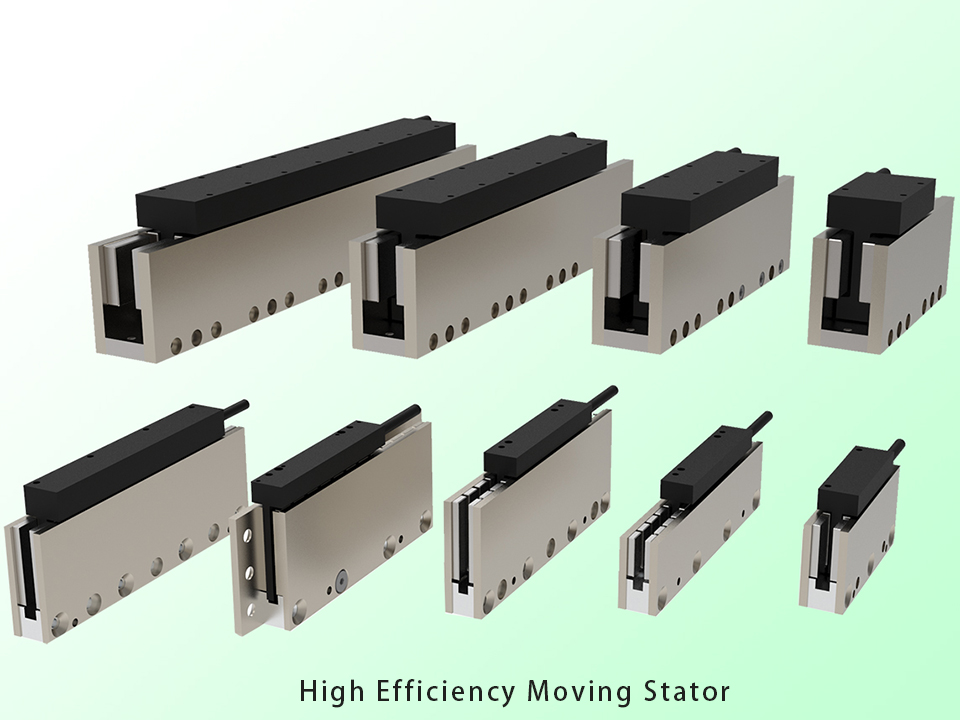
CHARACTERISTICS OFTHEDIRECTDRIVE TECHNOLOGY
Faster: Standard speed 2m/s, up to 7m/s. Standard acceleration 1G, up to 5G90-degree reciprocating positioning can easily reach 1200 times/min
More accurate: True "zero backlash" and "full closed loop", easily reach μm-level accuracy Linear standard repeatability ±2μm, up to ±0.1μm and above Rotating standard repeatability ±3 arc seconds, up to ±1 arc second
More stable: "zero transmission chain", no mechanical friction, 365 days maintenance-free, long-term accuracy
Farther: unlimited travel, up to 10 meters or more
Linear motor performance
Repeatability: ±0.5-±1μm.
Module absolute accuracy: ≤10μm/500mm (original factory accuracy).
Maximum length 6M, accept customization of special module length customization.
Single-axis multi-motor motion.
High-speed motion: rated speed 3m/s; peak speed 5m/s.
High acceleration: Depending on the actual application load, it is easy to reach high acceleration of 2G and above.
Module using
3C Automation
Single-axis multi-motor
Extra-long stroke
Loading and unloading/carrying functional components
High-precision loading
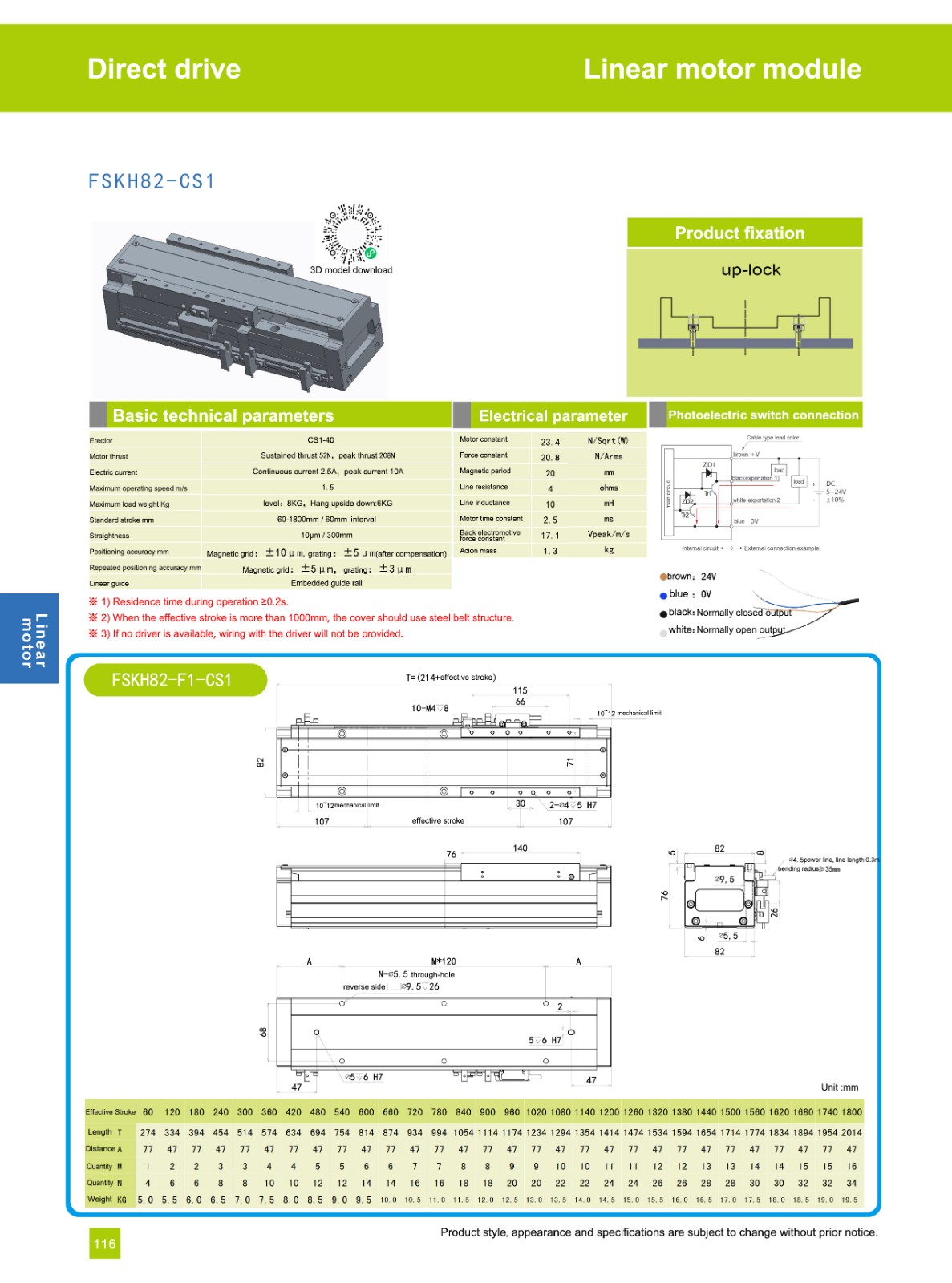
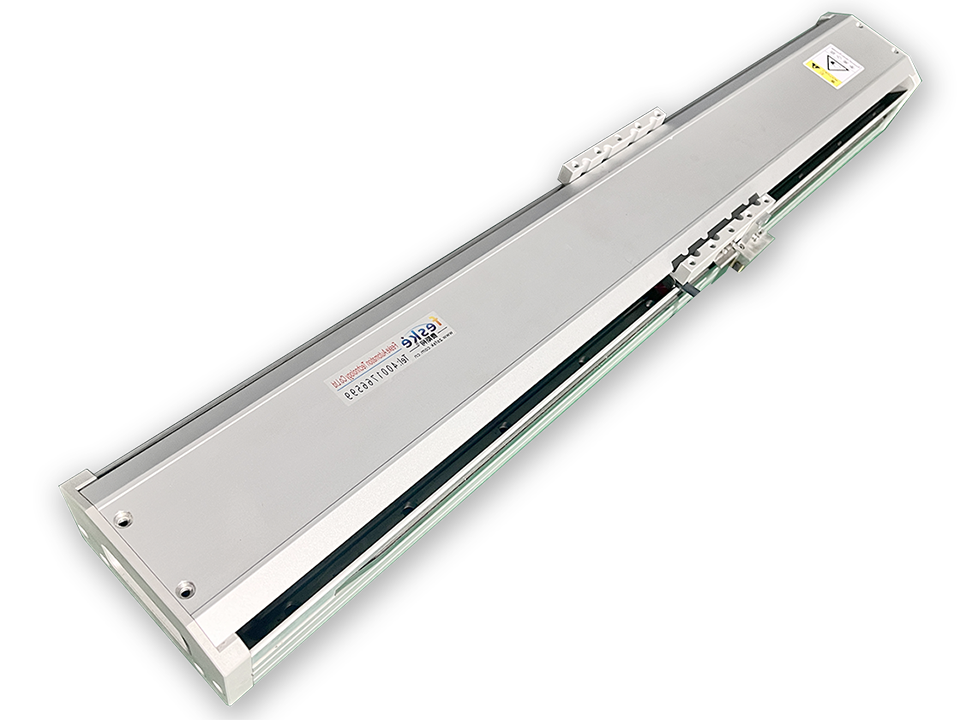
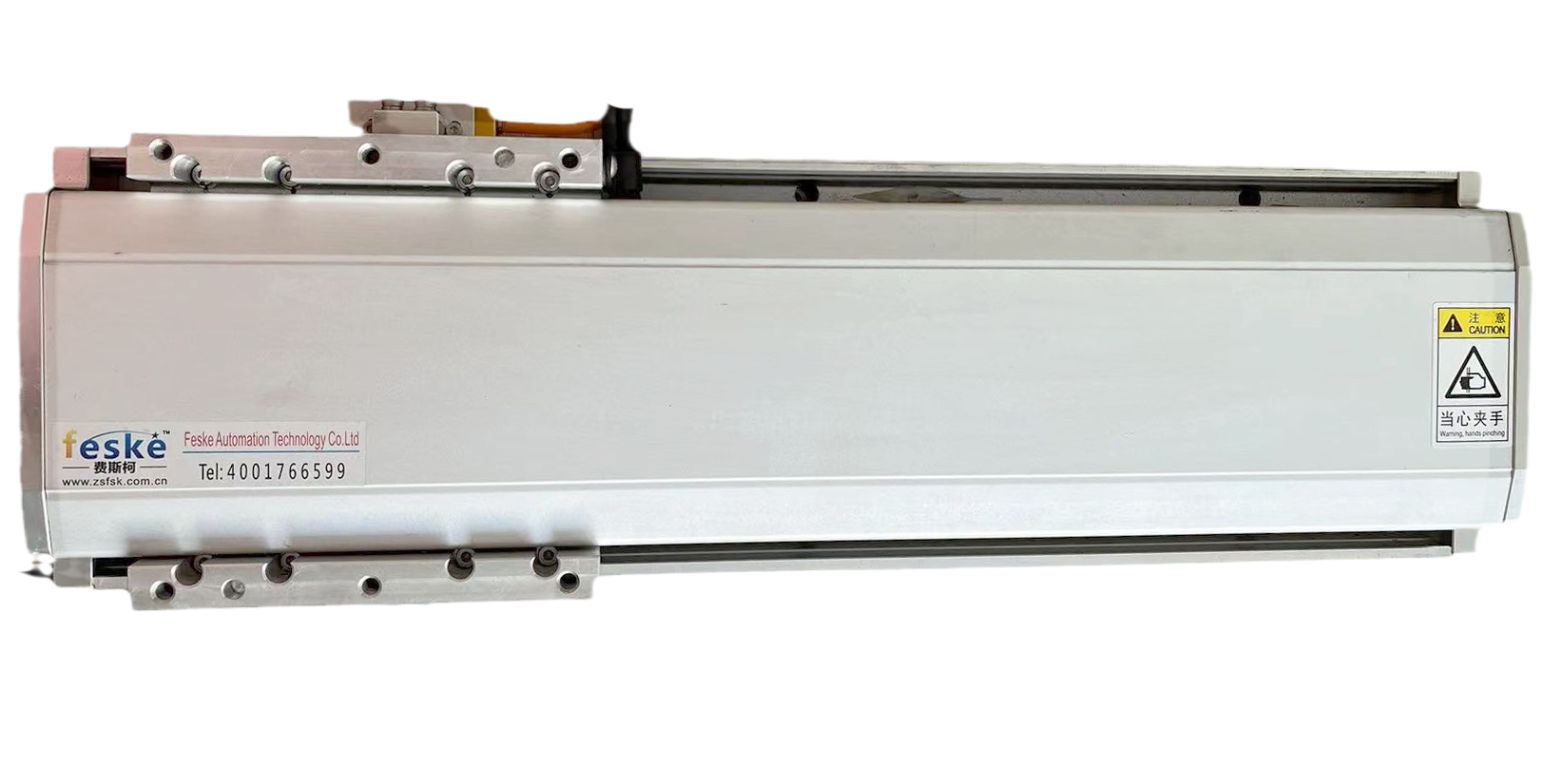
The FSKH 82 is a linear motor slide module focused on ultra-high positioning accuracy, designed specifically
for precision applications requiring micron-level repeatability and high-speed response.
Its key features and advantages are as follows:
+[Ultra-High Positioning Accuracy and Stability]
Utilizing full closed-loop control technology, a linear encoder directly monitors the slide's position to achiev
e a repeatability of ±1μm, while minimizing any degradation in accuracy during prolonged operation.
The coreless linear motor design eliminates cogging effects and significantly reduces speed fluctuations (ke
eping them within ±1%), thereby ensuring exceptionally smooth motion.
+[Compact Structure with Rigid Support]
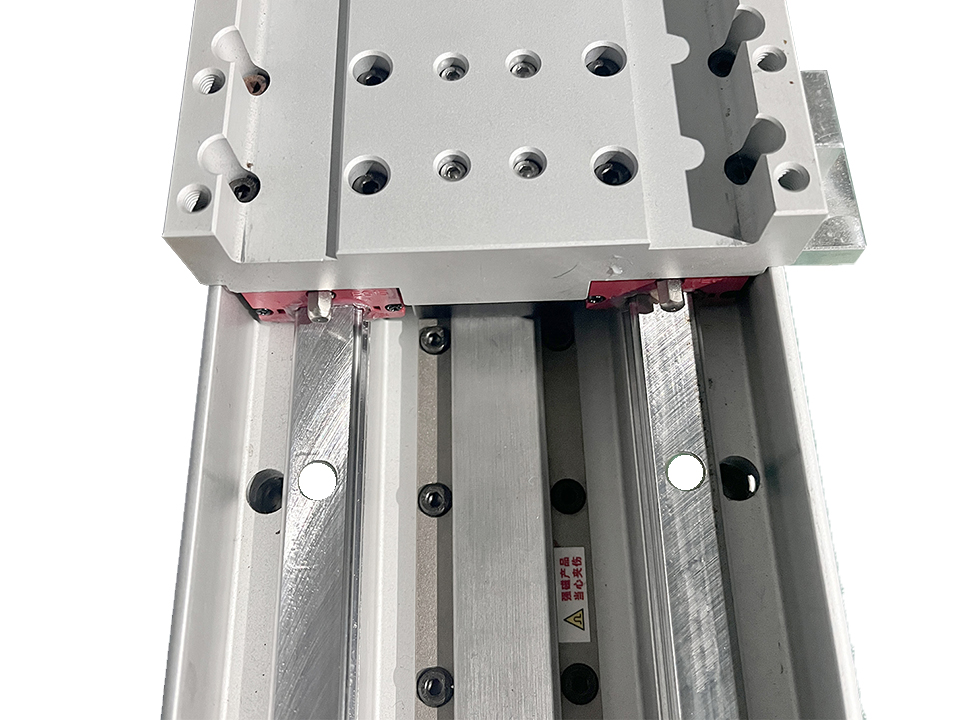
It integrates high-performance HDR-type four-row angular contact ball bearing LM guides. These guides feat
ure a four-way equal-load DB structure, maintaining excellent rigidity even under high-torque loads. The du
al-guide design supports a horizontal load of 15 kg and a continuous thrust of 98 N (with a peak thrust of 392 N).
Its compact design facilitates single-axis installation, making it easy to miniaturize and lightweight equipm
ent during upgrades.
+[High-Speed Response and Dynamic Performance]
The linear motor's direct-drive mechanism achieves millisecond-level response times by directly converting
electromagnetic force into linear motion. It boasts a maximum operating speed of 3 m/s and a maximum ac
celeration of 5G, resulting in a significant boost to production efficiency.
Its high-speed capabilities and rapid acceleration/deceleration performance make it particularly well-suited
for short-stroke precision operations, such as semiconductor inspection and precision assembly.
+[Flexible Adaptability and Long-Stroke Extension]
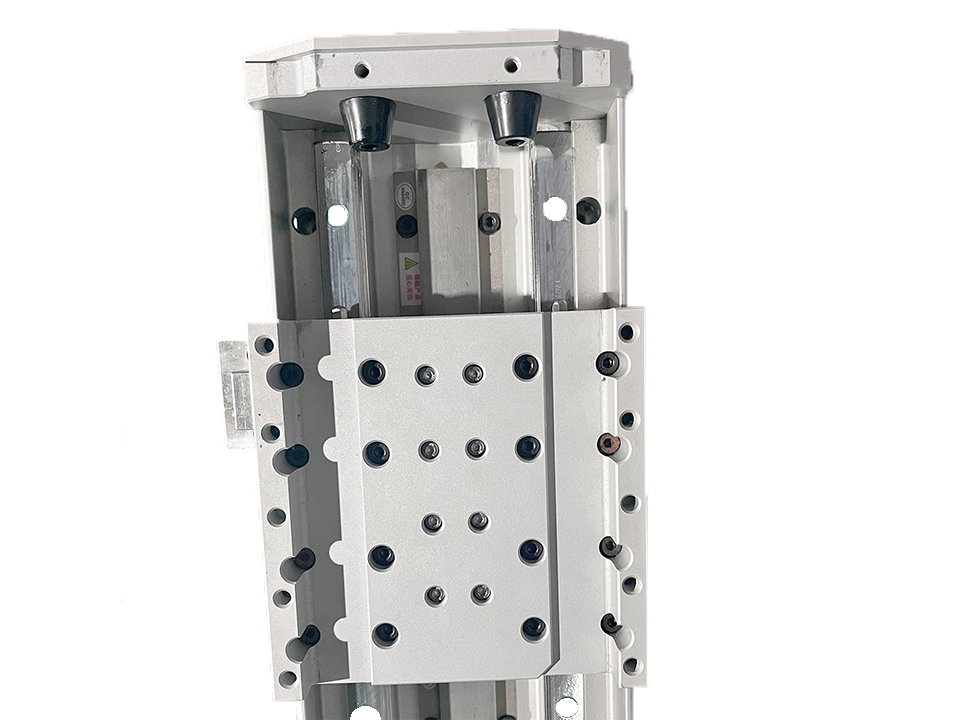
The modular design supports the independent control of multiple sliders, allowing for the configuration of
multiple actuators on a single axis. By utilizing connecting bases, the stroke length can be easily extended
to over 4 meters—surpassing the length limitations inherent in traditional ball screw-driven systems.
+[Broad Compatibility] Supports various communication protocols (Pulse, SSCNET III/H, EtherCAT) compat
ible with major drive brands (such as Mitsubishi, Panasonic, and High-Creation), thereby simplifying system
integration.
This module is widely deployed in high-value manufacturing environments, including precision spindle pos
itioning for machine tools, high-speed sorting of electronic components, and high-precision measurement
equipment.
Its exceptional technical specifications provide a reliable motion control solution for industrial automation
applications.
How to Select the Right Linear Motor Module
Selecting the appropriate linear motor module requires a comprehensive assessment of factors such as precision, speed, load capacity, travel range, environmental adaptability, and system integration capabilities. As a core component in high-precision motion control systems, the selection of a linear motor directly impacts the equipment's dynamic performance and long-term stability.
Key Selection Criteria:
1.
Positioning Accuracy and Repeatability
High-end applications (e.g., semiconductor alignment, optical inspection) demand a repeatability of within ±1 μm; these applications require a closed-loop control system equipped with high-resolution linear encoders.
It is crucial to distinguish between "nominal accuracy" and the actual dynamic accuracy under real-world operating conditions; prioritize suppliers who provide full-travel inspection reports generated via laser interferometry.
2.
Speed and Acceleration Requirements
The primary advantage of linear motors lies in their ultra-fast response capabilities, with maximum speeds exceeding 5 m/s and acceleration rates surpassing 10g.
For applications involving high-speed laser cutting or wafer handling, ensure that the drive system supports high-bandwidth real-time control to prevent trajectory distortion.
3.
Load and Thrust Matching
When calculating dynamic loads, it is essential to account for inertial forces and eccentric moments to prevent issues such as step loss or vibration caused by insufficient thrust.
It is recommended to maintain a thrust margin of 20% to 30% during the selection process to accommodate transient conditions, such as startup and emergency stops.
4.
Travel Range and Mounting Configuration
Linear motors are free from the limitations of mechanical transmission mechanisms, allowing for ultra-long travel ranges (spanning several meters) that are ideal for large-format equipment.
For vertical or side-mounted installations, carefully evaluate the load-bearing capacity of the guide rails and consider the necessity of installing a brake mechanism to prevent accidental drops.
5.
Environmental Adaptability
For environments with strict cleanliness requirements (e.g., cleanrooms), select modules with a fully enclosed structure to prevent the accumulation of ferrous debris on the magnetic tracks.
In environments subject to significant temperature fluctuations, prioritize products featuring thermal deformation compensation designs to ensure compatibility regarding material thermal expansion coefficients.
6.
System Integration and Ecosystem Support
Prioritize modules that support EtherCAT or CANopen protocols to facilitate seamless interfacing with mainstream motion controllers.
Evaluate whether the supplier provides motion control APIs, teach-in software, and remote diagnostic tools to help minimize commissioning costs.
The accuracy of the slide module directly affects the quality of the product.
Using multi-axis electric cylinders reduces labor costs
Widely used in laser welding, laser cutting, glue coating machines, spraying machines, punching machines, dispensing machines, small CNC machine tools, engraving and milling machines, plotters, cutting machines and other conveyors, sorting equipment, applicable testing equipment, educational equipment, etc.
Establish standardized network marketing services and mature technical service management systems around the world to provide dealers and users with high-quality pre-sales, in-sales and after-sales services. During the warranty period, provide users with fast, timely and efficient free maintenance services; outside the warranty period, users will still receive our enthusiastic and thoughtful paid technical services. We always pursue "zero defects in products and 100% customer service satisfaction".